You don’t need a diagnosis to know something feels off.
Maybe meals have become more stressful. Maybe someone you love seems increasingly anxious around food, exercise, or their body. Maybe they’re withdrawing from people, becoming more rigid, or just don’t seem like themselves anymore.
And maybe you’re carrying a question you haven’t said out loud yet: Should I be worried?
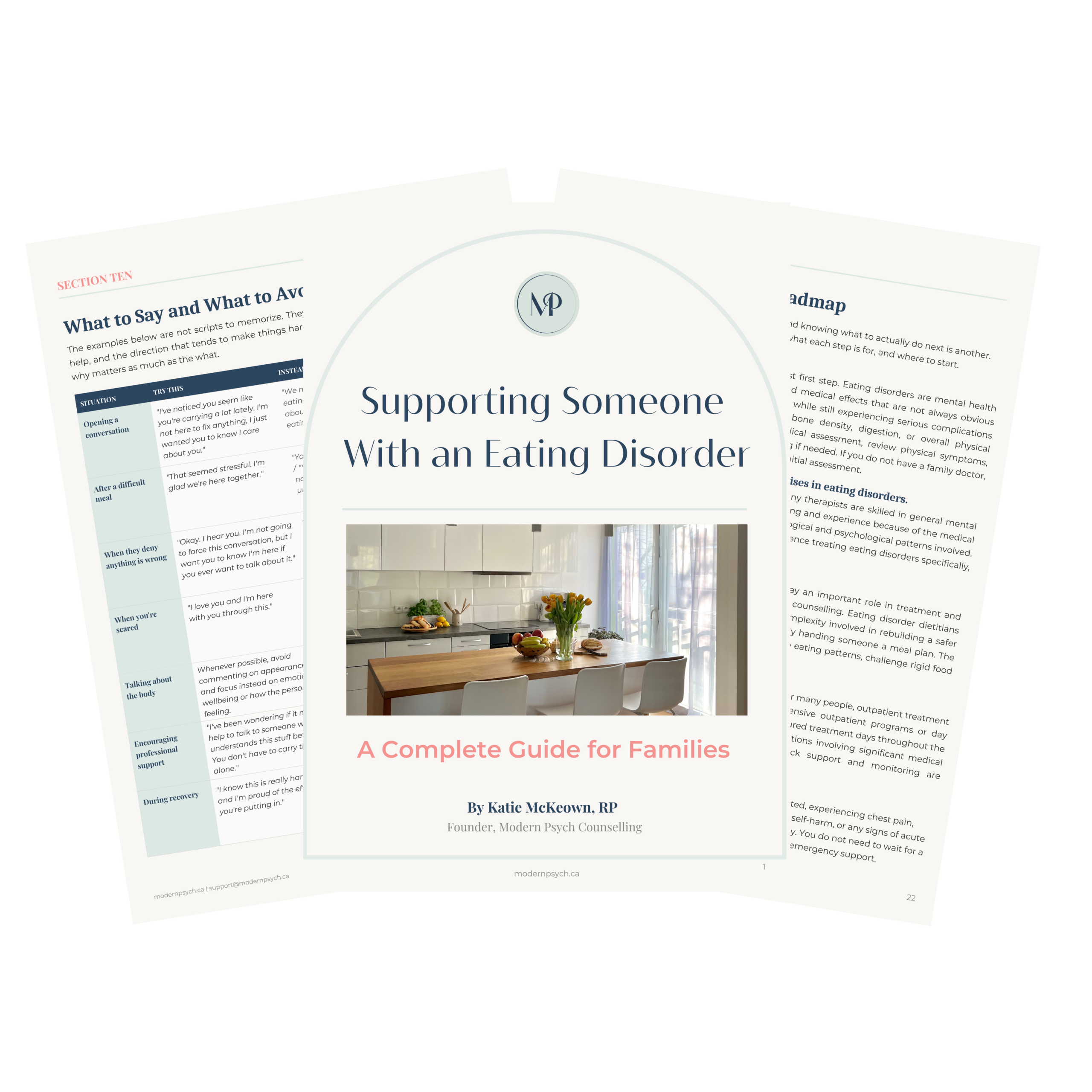
If you’re here, chances are you’ve noticed something. This free guide was created to help you understand what you might be seeing, how to talk about it, and what to do next.
Download the Free Guide
- Learn the signs families often notice first
- Understand what to say (and what to avoid)
- Get a clear roadmap for finding help
- Access Canadian treatment and support resources
- Feel less alone while navigating what comes next
- No cost. Instant access.
Get your free Copy
You Are Probably Carrying More Than You Realize
You might be second guessing yourself.
Wondering whether you’re overreacting.
Replaying conversations in your head.
Trying to decide whether to bring it up or stay quiet.
Feeling guilty for missing something.
Feeling scared that if you say the wrong thing, you’ll make it worse.
Most families spend a long time sitting in that space between something feels wrong and I know what to do next.
It’s exhausting.
This guide won’t solve everything overnight. But it will help you understand what you’re looking at, put language to what you’re noticing, and give you a clearer path forward.
What’s Inside
Understanding What You’re Seeing
Learn the common signs and behaviours families often notice before an eating disorder is identified.
How to Start the Conversation
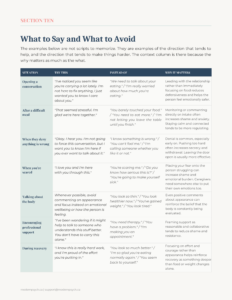
Get guidance on what helps, what doesn’t, and how to approach difficult conversations without pushing someone away.
A Practical Roadmap for Getting Help
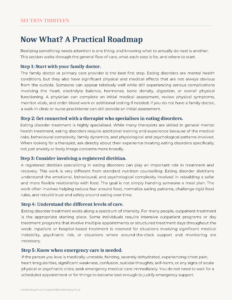
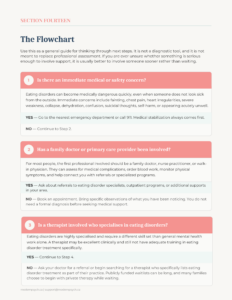
Learn when to involve a doctor, when therapy may be appropriate, and what treatment and recovery actually look like.
Support for the Whole Family
Because eating disorders affect parents, partners, siblings, and caregivers too.
Written by Katie McKeown, RP
Founder of Modern Psych
As a therapist who works with eating disorders, disordered eating, anxiety, perfectionism, and burnout, I’ve supported many families through the uncertainty that comes before treatment begins.
One of the most common things I hear is: “I wish someone had explained this sooner.”
That’s why I created this guide.Not to diagnose anyone. Not to replace professional support. But to help families feel less lost while figuring out what comes next.
You Don’t Have to Figure This Out Alone
If something feels off, trust that instinct. You know this person. You know when something has shifted.
Download the guide today and get practical information, clearer direction, and a better understanding of what to do next.


Written by Katie McKeown, RP